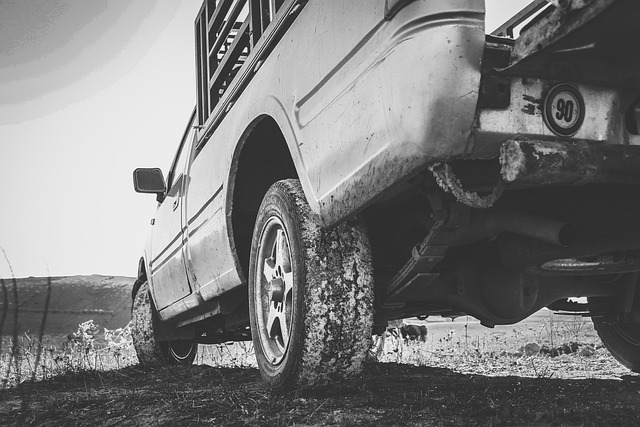
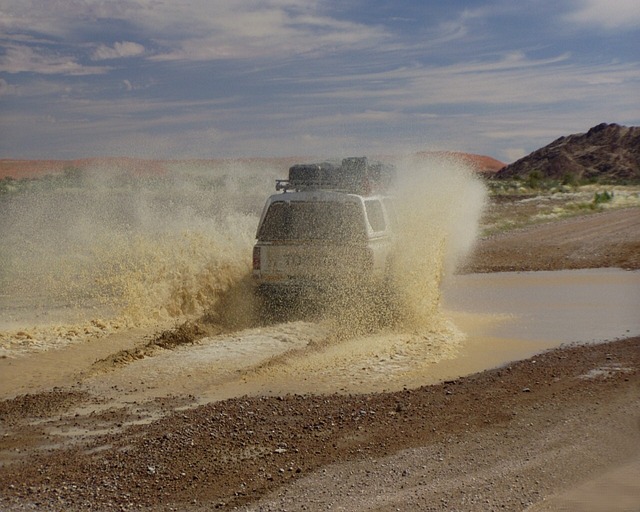
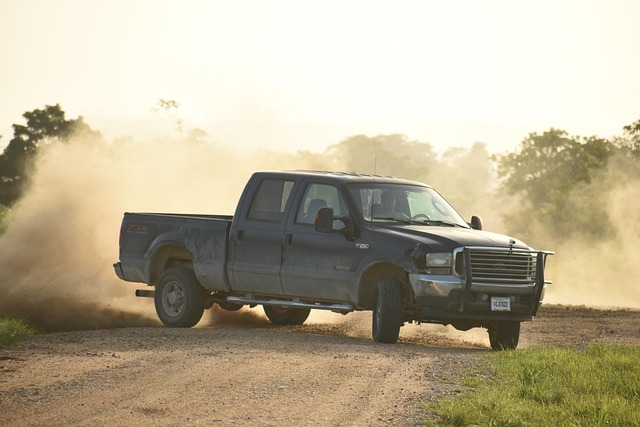
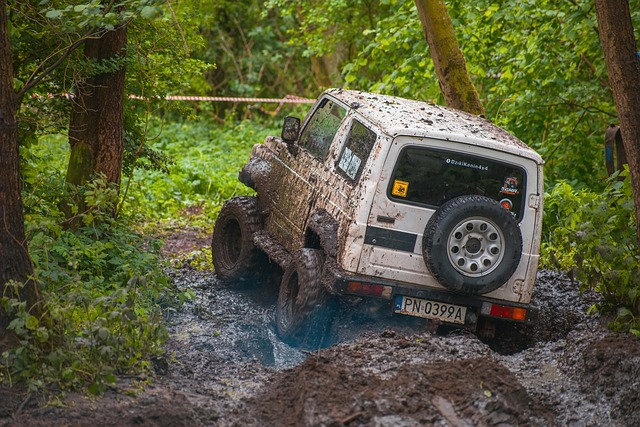
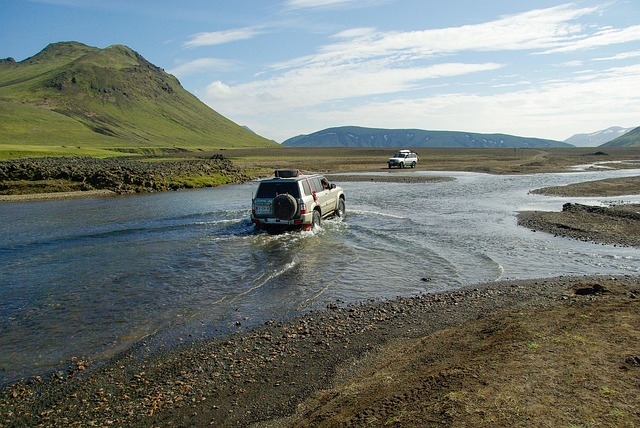
McAllen truck and SUV enthusiasts are known for their passion for pushing boundaries both on and off the road. This article delves into the world of recovery lines, essential tools that empower these adventurous souls to navigate challenging terrains and overcome obstacles during their off-road escapades. We’ll explore different types of recovery lines, their applications, and best practices for safe and effective use.
Introduction: The Unsung Heroes of Off-Road Adventure
McAllen truck and SUV enthusiasts are a dedicated community driven by an insatiable thirst for exploration. Whether scaling rugged mountains or traversing treacherous rivers, they demand reliability, strength, and versatility from their vehicles – and recovery lines play a crucial role in achieving these goals. These robust cables aren’t just accessories; they’re lifeline tools that enable adventurers to recover from missteps, extricate themselves from tight spots, and return safely to the trail.
Understanding Recovery Lines: A Comprehensive Guide
What Are Recovery Lines?
Recovery lines, also known as tow ropes or recovery cables, are heavy-duty cords designed specifically for pulling and lifting vehicles out of difficult situations. They’re crafted from high-tensile strength materials like steel or synthetic fibers, ensuring they can withstand immense strain without failure.
Types of Recovery Lines
The market offers a variety of recovery lines catering to diverse needs:
- Steel Cable: Traditional favorite known for superior strength and durability. Ideal for heavy-duty towing and extreme conditions.
- Synthetic Fiber Rope: Lighter weight alternative offering excellent resistance to abrasion and rot. Suitable for moderate towing tasks and off-road adventures.
- Wire Rope: Consistently strong and flexible, wire ropes excel in demanding applications requiring precise control.
Factors to Consider When Choosing Recovery Lines
When selecting recovery lines, McAllen truck and SUV enthusiasts should prioritize:
- Tensile Strength: Ensure it meets or exceeds the weight of your vehicle and towing capacity.
- Abrasion Resistance: Choose materials designed to withstand scraping against rocks, gravel, and other obstacles.
- Durability: Look for lines with sturdy construction that can stand up to repetitious use and extreme weather conditions.
- Length: Consider the length required for your typical off-road scenarios; longer lines offer more flexibility but add weight.
Recovery Line Applications: Going Beyond the Obvious
McAllen truck and SUV enthusiasts discover countless uses for their recovery lines beyond basic towing:
- Stabilizing Vehicles: Recovery lines can be employed to secure vehicles while parking on uneven terrain or during rest stops in remote locations.
- Towing Accessories: They pair seamlessly with winches, allowing adventurers to navigate challenging obstacles and rescue stranded vehicles.
- Recovery from Overhead Hazards: In scenarios where a vehicle becomes stuck under low-hanging branches or structures, recovery lines can be used to carefully pull it free.
Best Practices for Safe Recovery Line Use
Safety is paramount when utilizing recovery lines:
-
Inspect Lines Regularly: Look for signs of wear, fraying, or damage before each trip. Replace any compromised lines immediately.
-
Secure Properly: Ensure lines are securely attached to both the towing vehicle and the stricken vehicle using appropriate hardware like shackles and camma links.
-
Use with Care: Avoid sudden jerks or sharp pulls which can cause line damage or worse, a potential accident.
-
Practice in Safe Environments: Before tackling challenging terrains, practice attaching and using recovery lines in a controlled setting to build confidence and mastery.
Frequently Asked Questions
-
How do I know if my vehicle needs a recovery line? Any off-road vehicle, particularly those with high ground clearance or 4×4 capabilities, can benefit from a recovery line. Consider factors like frequent towing, remote travel, and exposure to challenging terrain.
-
What is the difference between steel cable and synthetic rope? Steel cables offer superior strength but are heavier and susceptible to corrosion. Synthetic ropes are lighter, more flexible, and resistant to rot and UV damage.
-
How should I store my recovery line when not in use? Store lines in a dry, protected area away from direct sunlight and extreme temperatures. Use a secure container or reel to prevent tangling and prolong its lifespan.
Conclusion: Unleash Your McAllen Off-Road Adventure Potential
McAllen truck and SUV enthusiasts deserve the best tools for their adventurous pursuits. Recovery lines are an essential component in any off-road kit, offering peace of mind and the capability to conquer even the toughest terrains. By understanding different types, proper use, and safety precautions, these dedicated adventurers can continue to explore new horizons with confidence and security.